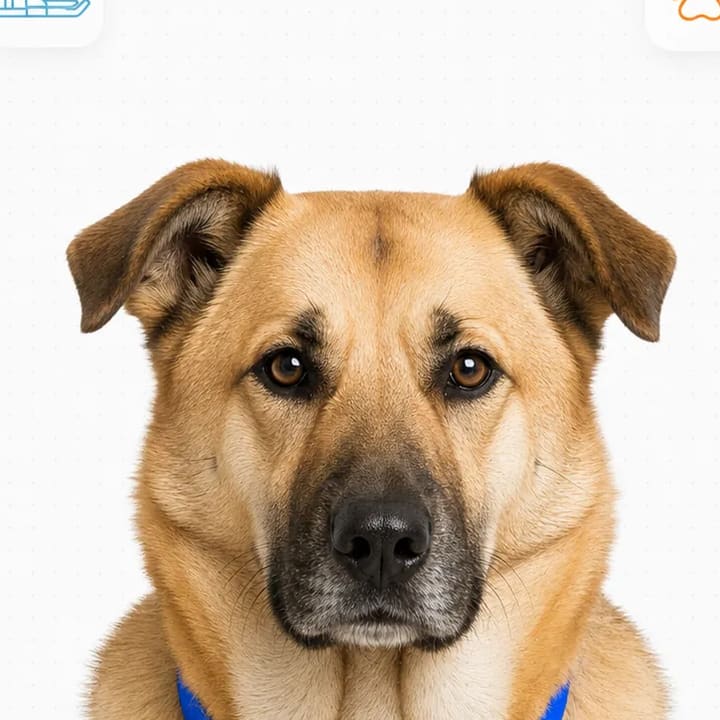
Arthur Walden of Wonalancet, New Hampshire, came home from the Klondike a devoted musher and set out to breed his own sled dogs, crossing a mastiff type dog with descendants of one of Admiral Peary's Greenland huskies. He named the breed after his lead dog, Chinook, and every Chinook traces back to him. Walden's team hauled freight for Admiral Byrd's Antarctic expedition, but after his death in 1947 the breed dwindled, and in 1965 Guinness listed it as the rarest breed in the world with 125 known dogs. Breeders brought it back, the AKC recognized it in the Working Group in 2013, and it is the state dog of New Hampshire.
Chinook buyers often come for a family dog with a job: sledding, skijoring, bikejoring, carting, hiking, or agility. The standard calls the breed devoted to children, and the AKC notes that, unlike most sledding breeds, they can be reliable off leash. Color is simpler than in most breeds: the standard allows only tawny, from honey to a deep reddish-gold, with dilute tawny accepted. Ear carriage varies, and drop, prick, and propeller ears are all correct.
The AKC gives a life expectancy of 12 to 15 years and lists hip dysplasia, cryptorchidism, gastrointestinal disorders, allergies, and the movement disorder known as Chinook seizures among the breed's problems. The club's health statement names hip dysplasia, eye issues, the MDR1 mutation, and chondrodysplasia as identified disorders, and the standard notes the Chinook is slow to mature, often not before 4 to 5 years.